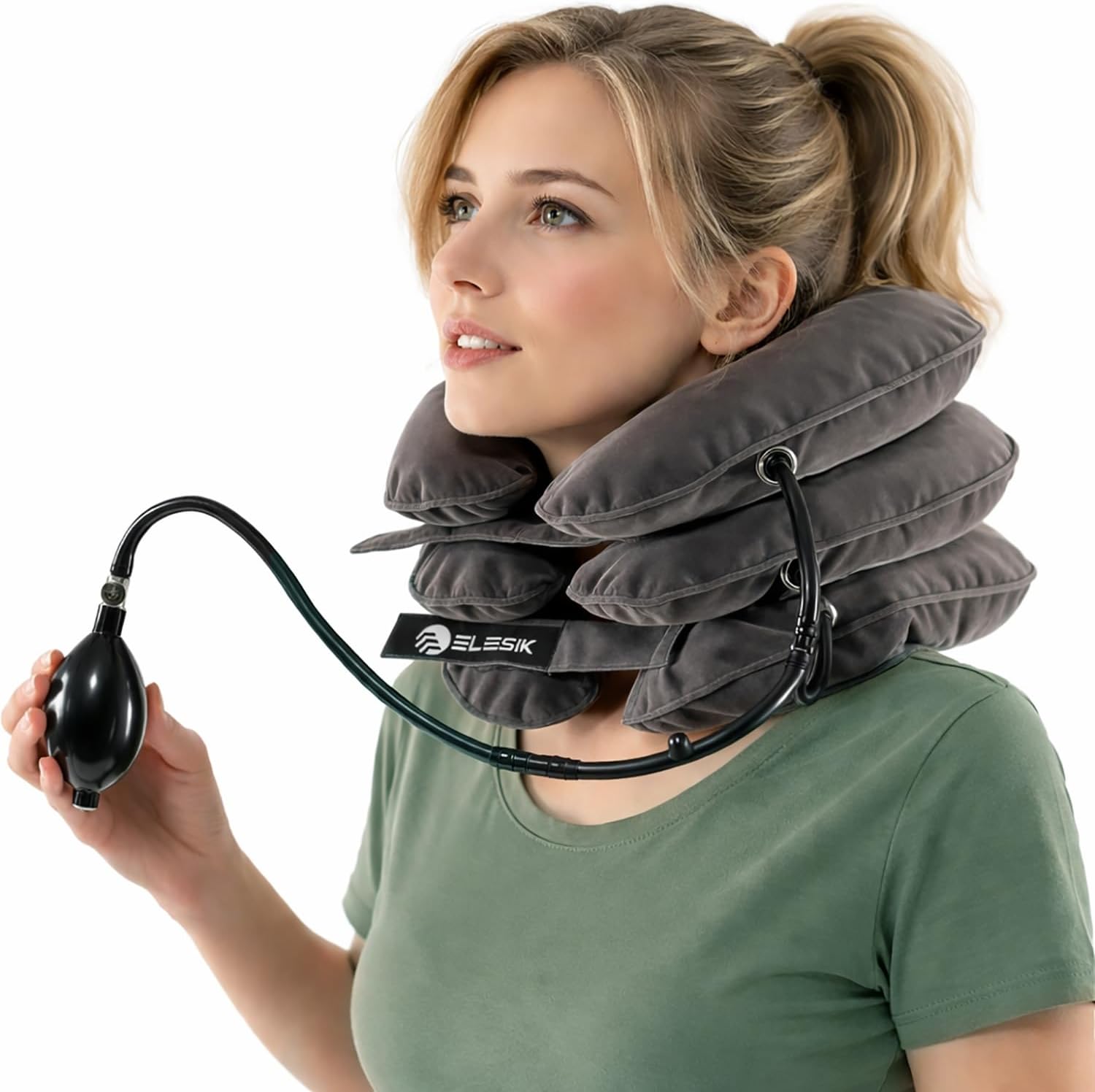

What is a Cervical Neck Stretcher?
A cervical neck stretcher is a specialized device designed to provide relief for individuals experiencing neck pain, stiffness, or discomfort, often associated with conditions like pinched nerves. These stretchers function by gently stretching the cervical spine, which can help alleviate pressure on the nerves and surrounding tissues. By promoting neck decompression, these devices can facilitate improved blood circulation and enhance overall mobility in the neck area.
Typically, cervical neck stretchers come in various designs, including inflatable models that are ideal for home use. These inflatable options can be easily adjusted to accommodate different levels of traction, allowing users to customize their experience for maximum comfort and efficacy. Other types include static stretchers, which hold the head and neck in a fixed position, and dynamic stretchers that adjust with the user’s movements. Each type serves the primary purpose of alleviating pain by creating space between the vertebrae in the cervical region.
The effectiveness of cervical neck stretchers is particularly notable in individuals suffering from pinched nerves, where the stretching mechanism aids in relieving the pressure on affected nerves. By addressing not only the symptoms but also potentially the underlying mechanical issues, these devices contribute to a comprehensive approach to neck care. Treatment options may vary, but consistently incorporating a cervical neck stretcher into a daily routine can lead to significant improvements in various neck-related conditions. The key is to utilize the device properly and, when needed, in conjunction with professional medical advice to achieve optimal results.
Benefits of Using Cervical Traction Devices
Cervical traction devices offer several significant benefits for individuals suffering from neck pain and associated symptoms. One of the primary advantages is the reduction of pressure on the spine and surrounding nerves. This alleviation of pressure can help in managing the pain that comes from conditions such as herniated discs, degenerative disc disease, or pinched nerves. By gently stretching the neck, these devices create more space between vertebrae, thus preventing nerve compression and facilitating better alignment.
Another benefit of cervical traction is the improvement of blood circulation in the affected area. Enhanced blood flow helps in the delivery of essential nutrients to the muscles and tissues surrounding the spine. This nourishment can lead to faster healing processes, reduced inflammation, and overall improved spinal health. Additionally, consistent use of cervical traction can help in the relaxation of muscles, further contributing to a decrease in tension and discomfort.
Users may also experience enhanced flexibility and range of motion in the neck with regular application of these devices. This improvement can be particularly beneficial for individuals facing chronic stiffness or rigidity associated with neck issues. The cumulative effects of using cervical traction devices may result in long-term benefits, including better posture and an overall sense of well-being. Individuals with chronic neck conditions or those who engage in activities that strain the neck may find cervical traction devices especially beneficial.
In summary, cervical traction devices serve as an effective non-invasive option for relieving neck pain, improving circulation, and enhancing overall spinal health. The potential long-term effects make them a significant consideration for those managing chronic issues, ultimately supporting a healthier and more active lifestyle.
How to Use Inflatable Neck Traction Devices Effectively
Inflatable neck traction devices are beneficial tools designed to provide relief for individuals dealing with pinched nerves and other associated discomforts. To utilize these devices effectively at home, follow a structured approach to ensure both safety and efficacy.
First, choose a suitable inflatable neck traction device that aligns with your specific needs. Various devices cater to different neck sizes and traction levels, so it is essential to select one that supports your condition. Reading user reviews and consulting with a healthcare professional may help narrow down the choices.
Once you acquire the device, begin by positioning it properly around your neck. Ensure that it rests comfortably against the back of your neck, allowing adequate support. Inflate the device gradually, starting with a lower pressure setting and slowly increasing it until you feel a gentle stretch. The goal is to avoid excessive pressure that could aggravate existing pain. Most devices feature a manual pump or an automatic inflation feature, so take your time adjusting it to a comfortable level.
For optimal results, maintain the traction for a recommended duration, typically ranging from 10 to 20 minutes per session. It is advisable to use the device one to two times daily, depending on personal comfort and the severity of your symptoms. During the session, remain in a relaxed position, ideally lying down or sitting upright in a supported chair, to maximize the benefits of the traction.
Lastly, monitor your body’s response throughout each session. Should you experience increased pain or discomfort, discontinue use immediately and consult a healthcare provider. Remember, each individual’s needs may vary, so always seek tailored advice for optimal treatment. With proper technique, using an inflatable neck traction device can effectively aid in alleviating symptoms associated with pinched nerves.
Enhancing Comfort with Extender Pillows and Hammocks for Neck Support
The correct support while utilizing cervical traction devices is essential for individuals dealing with neck pain, including conditions such as a pinched nerve. Extender pillows and hammocks are particularly beneficial alternatives that complement these devices, offering users additional comfort and support during treatment. These supportive aids help maintain proper alignment of the neck and spine, which is critical for facilitating healing and reducing discomfort.
Extender pillows are designed to provide added elevation and support for the head and neck. Their unique shapes often cater to the natural curvature of the cervical spine, ensuring that users experience an optimal level of comfort. Unlike standard pillows, extender pillows can be adjusted to fit the individual’s specific needs, allowing for a customizable support system that can enhance overall relaxation. This personalization can significantly improve the effectiveness of cervical traction treatments by reducing strain and ensuring the neck remains in a neutral position.
Hammocks, on the other hand, offer a completely different approach to neck support. These soft, cradling structures are often made from breathable materials that promote relaxation while relieving tension in the neck and shoulders. Utilizing a hammock can provide a soothing experience, especially for those who may struggle to find a comfortable position while using traction devices. Additionally, the gentle rocking motion associated with hammocks can further contribute to reducing stress, making them an attractive option for many users.
In summary, incorporating extender pillows and hammocks into a treatment regimen involving cervical traction devices can significantly improve comfort for users. By providing additional support and relaxation, these tools work together to create a more effective solution for managing neck discomfort. When considering options for enhancing your experience with traction devices, keep in mind the many types of extender pillows and hammocks available on the market, as they can make a substantial difference in achieving pain relief and comfort.